
Could Your HVAC System Be Contributing to Mold Growth?
Disclosure: This post contains affiliate links. As an Amazon Associate I earn from qualifying purchases. If you choose to purchase through these links, I may earn a small commission at no additional cost to you. I only recommend products that align with what is generally used and recommended in the indoor air quality and moisture control field.
When people think about mold in buildings, they often think about visible water damage — a flooded basement, a leaking roof, or condensation on a window. What is less commonly understood is that the HVAC system in a home can be a contributing factor in mold development, even without an obvious water event.
How HVAC Systems and Moisture Interact
The cooling function of an air conditioning system removes heat from the air — but it also removes moisture. The evaporator coil is intentionally designed to allow condensation to form on its surface and drain away. This process works as intended when the system is properly sized, maintained, and draining correctly. When it is not, moisture can accumulate and create conditions favorable for mold growth.
Common HVAC-Related Moisture Conditions
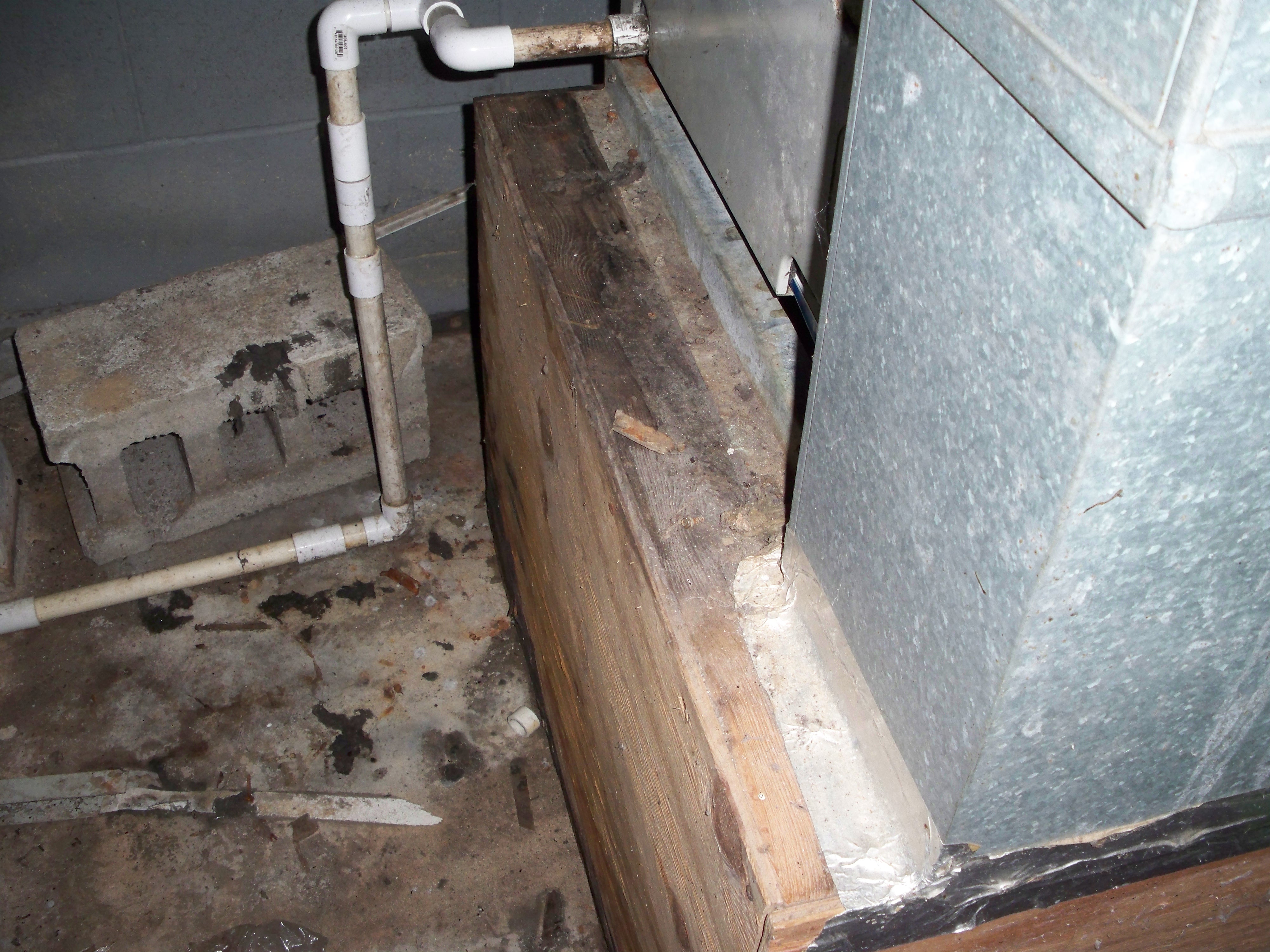
Clogged condensate drain lines. When the condensate line becomes clogged with algae or debris, water can back up and overflow into the air handler cabinet or surrounding area. This is generally considered one of the more common maintenance-related moisture issues in residential HVAC systems.
Oversized air conditioning equipment. A system that is too large will cool the air quickly but run short cycles — achieving the target temperature before removing adequate moisture from the air. The result is a cool interior that maintains higher relative humidity than a properly sized system. Elevated indoor humidity is generally recognized as a condition that increases mold risk throughout the home.
Dirty evaporator coils or air filters. Restricted airflow can result in the coil freezing, then thawing and releasing water. A dirty air filter is generally considered the most common cause of restricted airflow in residential systems.
Ductwork in unconditioned spaces. When supply ducts run through hot attics or humid crawl spaces, the cold air inside them can cause condensation to form on the outside of the duct, saturating duct insulation over time.
What Is Generally Recommended for HVAC Maintenance
Routine maintenance is generally considered the most effective approach to preventing HVAC-related moisture conditions. What is generally recommended includes annual professional inspection and service, regular air filter replacement, visual inspection of the area around the air handler for signs of moisture, and periodic inspection of accessible ductwork.
Tools and Products Commonly Referenced for HVAC Moisture Awareness
Below are products commonly associated with monitoring indoor humidity and HVAC-related moisture conditions. These are affiliate links — see the disclosure at the top of this post.
- Digital Hygrometer — commonly used to monitor indoor relative humidity; the range most often cited for buildings is 30–50% RH
- Pleated HVAC Air Filters — regular filter replacement is generally recommended by HVAC professionals
- Whole-Home Dehumidifier (Aprilaire) — commonly referenced where indoor humidity stays elevated
- Digital Moisture Meter — commonly used to check moisture in building materials near HVAC equipment
Want to Learn More?
The free Mold Awareness Guide is a great starting point for understanding mold and moisture in your home. It is free and available to download.
Grab the Free Mold Awareness Guide
For deeper educational content on IAQ, mold, and moisture, visit the Mold Junkies YouTube channel.
This content is provided for general educational and awareness purposes only. It does not constitute inspection, environmental consulting, remediation, or professional advice of any kind. Conditions in buildings vary significantly. A qualified professional should be consulted regarding any specific building concern.