
Why Is My Crawl Space So Wet — and What Does That Mean for Mold?
Disclosure: This post contains affiliate links. As an Amazon Associate I earn from qualifying purchases. If you choose to purchase through these links, I may earn a small commission at no additional cost to you. I only recommend products that align with what is generally used and recommended in the indoor air quality and moisture control field.
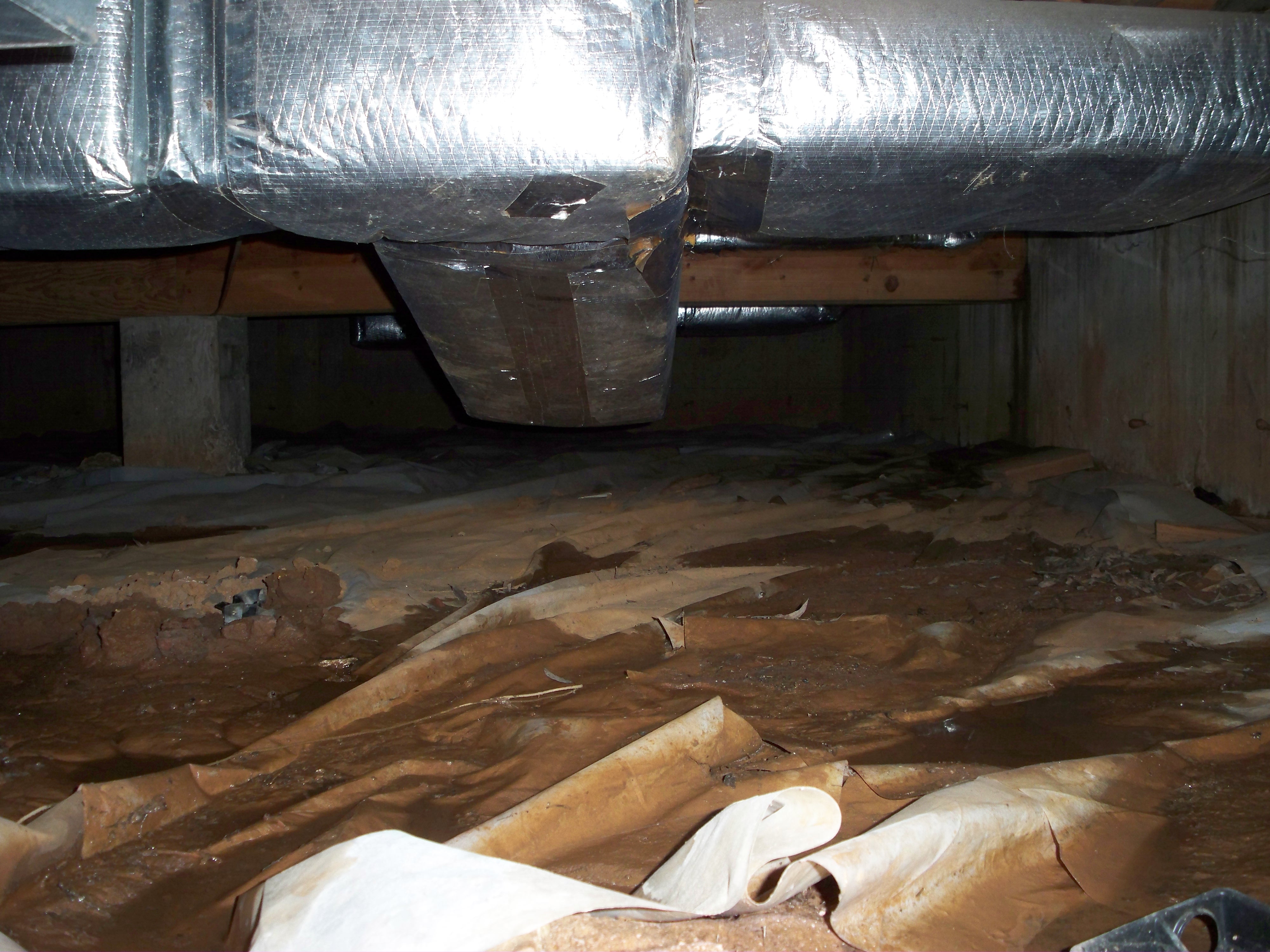
A wet crawl space is one of the most frequently overlooked sources of moisture problems in residential buildings. Because most homeowners rarely enter their crawl space, conditions there can go unaddressed for years — and elevated moisture in a crawl space is generally considered one of the more significant risk factors for mold development in the home above it.
Why Crawl Spaces Tend to Be Wet
Several conditions are commonly associated with elevated moisture in crawl spaces:
Ground moisture vapor. Soil naturally releases moisture vapor, and in an unencapsulated crawl space, that vapor moves upward into the crawl space air. This is gener...
What Is Moisture and Why Is It the Root Cause of Mold?
Disclosure: This post contains affiliate links. As an Amazon Associate I earn from qualifying purchases. If you choose to purchase through these links, I may earn a small commission at no additional cost to you. I only recommend products that align with what is generally used and recommended in the indoor air quality and moisture control field.
If you have ever dealt with a mold problem in a building, you have probably heard the same idea more than once.
Address the moisture, and you generally address the conditions that allow the mold to grow.
That idea is at the core of what building science and indoor air quality professionals understand about mold. And yet it is the part that most homeowners and building occupants understand the least.
This post explains what moisture means in the context of buildings and why it is considered the primary driver of mold activity — not a side issue, but the root cause.
What Does Moisture Mean in a Building Context?
When IAQ and building science profe...
What Does Relative Humidity Have to Do With Mold? Everything.
Disclosure: This post contains affiliate links. As an Amazon Associate I earn from qualifying purchases. If you choose to purchase through these links, I may earn a small commission at no additional cost to you. I only recommend products that align with what is generally used and recommended in the indoor air quality and moisture control field.
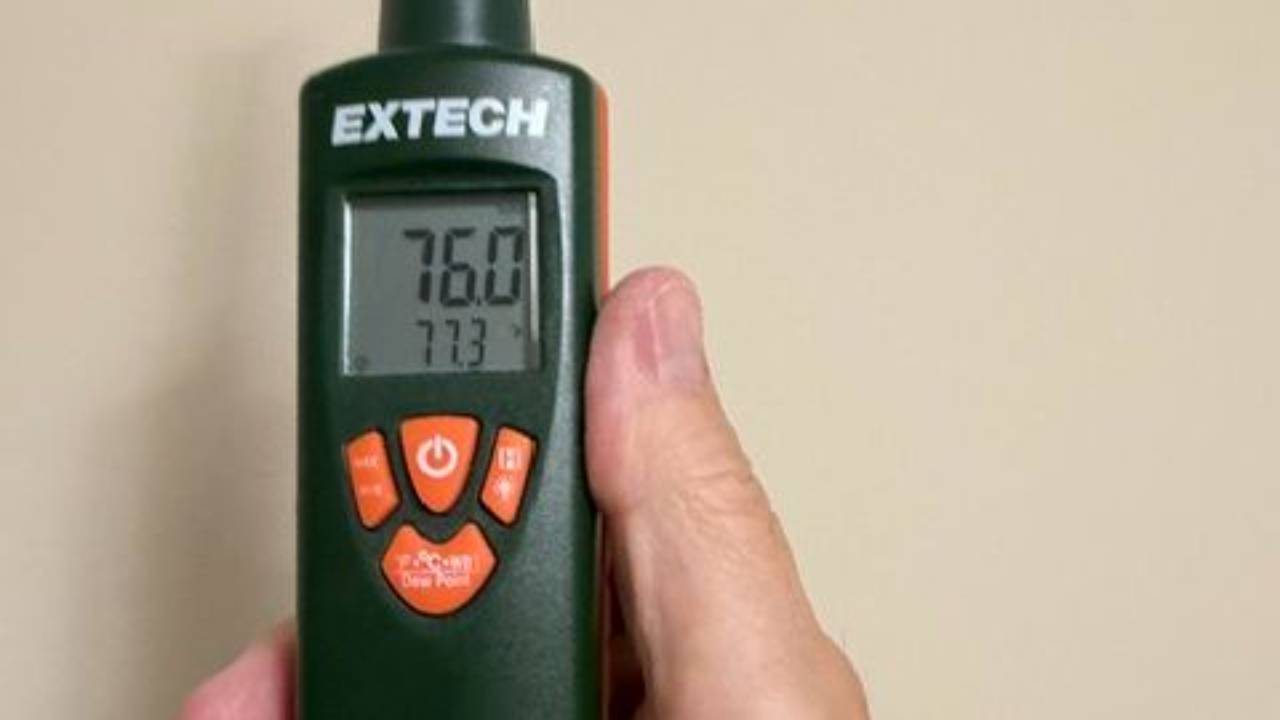
Of all the factors that contribute to mold growth in residential and commercial buildings, relative humidity is one of the most important — and one of the least understood by homeowners.
Most people associate mold with visible water damage. A roof leak. A burst pipe. Flooding. And while those events absolutely create conditions for mold growth, they account for a fraction of the mold problems that actually develop in homes.
The majority of mold problems in residential buildings develop gradually — driven by elevated humidity that allows building materials to remain damp long enough for mold to colonize. No visible leak. No dramatic water event. ...
Why Mold Keeps Coming Back — And What Is Actually Causing It
Disclosure: This post contains affiliate links. As an Amazon Associate I earn from qualifying purchases. If you choose to purchase through these links, I may earn a small commission at no additional cost to you. I only recommend products that align with what is generally used and recommended in the indoor air quality and moisture control field.
Most homeowners who have dealt with mold have noticed the same frustrating pattern — they clean it, treat it, paint over it, and within weeks or months it is back. Sometimes in the same spot. Sometimes somewhere new.
If this sounds familiar, the problem is generally not the mold itself.
The problem is generally the moisture condition that is allowing mold to grow.
Mold Is a Symptom — Not the Problem
This is one of the most important concepts in mold awareness, and it is one that many homeowners miss.
Mold does not appear randomly. It does not grow because a home is old, or because of the climate, or because of bad luck. Mold grows when specific...