
Window Condensation — What It Tells You About Indoor Moisture Levels
Disclosure: This post contains affiliate links. As an Amazon Associate I earn from qualifying purchases. If you choose to purchase through these links, I may earn a small commission at no additional cost to you. I only recommend products that align with what is generally used and recommended in the indoor air quality and moisture control field.
Video presenter: AI avatar created from Jerry Parker's likeness. Script and content by Jerry Parker.
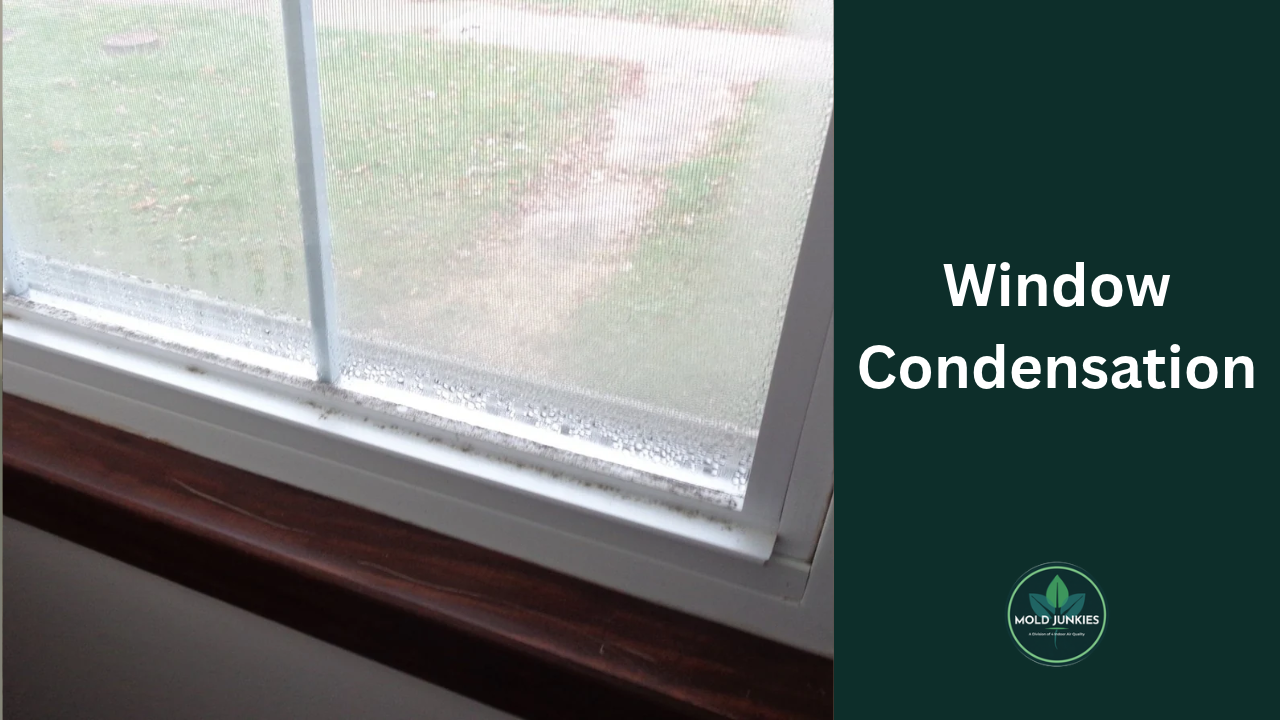
Condensation on windows is one of the few places where moisture conditions inside a home become directly visible. Most people notice it on cold mornings and think of it as a minor annoyance. What it actually represents is useful information about the relative humidity inside the home — and, by extension, the conditions that support or inhibit mold growth.
Why Condensation Forms on Windows
Condensation forms when warm, humid air contacts a surface that is below the dew point — the temperature at which air can no longer hold all of its moisture in vapor form. Windows are typically the coldest surfaces in a room in cold weather, which is why they are often the first place condensation becomes visible.
What Window Condensation Indicates
When condensation is regularly present on interior window surfaces, it is generally considered an indicator that indoor relative humidity is elevated. Indoor relative humidity above 60 percent is generally recognized as a range that supports mold growth on surfaces throughout the home — not just at the windows.
The same moisture condensing on glass is present throughout the interior air and may condense on any surface cool enough — including wall cavities near exterior walls, cold water pipes, and north-facing surfaces that receive less solar warming.
Common Sources of Elevated Indoor Humidity
When window condensation is a recurring pattern, what is generally considered worth investigating includes cooking and showering without adequate exhaust ventilation, unvented combustion appliances, a high concentration of houseplants in tight homes, drying laundry indoors, and crawl space or basement moisture migrating upward.
What Is Generally Recommended
When window condensation appears consistently, measuring indoor relative humidity with a simple hygrometer is generally recommended as a starting point. A target indoor relative humidity of 30 to 50 percent is generally cited in building science and IAQ guidance as the range that balances comfort with reduced mold risk. Above 60 percent is generally considered the range where mold risk increases significantly.
Tools Commonly Referenced for Humidity Awareness
The following is among the tools most commonly referenced for general awareness of indoor humidity. This is an affiliate link — see the disclosure at the top of this post. It is an awareness tool and is not a substitute for an assessment by a qualified professional.
- Digital Hygrometer / Thermometer — commonly used to monitor indoor relative humidity and temperature
Want to Learn More?
The free Mold Awareness Guide is a great starting point for understanding mold and moisture in your home. It is free and available to download.
Grab the Free Mold Awareness Guide
For deeper educational content on IAQ, mold, and moisture, visit the Mold Junkies YouTube channel.
This content is provided for general educational and awareness purposes only. It does not constitute inspection, environmental consulting, remediation, or professional advice of any kind. Conditions in buildings vary significantly. A qualified professional should be consulted regarding any specific building concern.