
Window Condensation — What It Tells You About Indoor Moisture Levels
Disclosure: This post contains affiliate links. As an Amazon Associate I earn from qualifying purchases. If you choose to purchase through these links, I may earn a small commission at no additional cost to you. I only recommend products that align with what is generally used and recommended in the indoor air quality and moisture control field.
Video presenter: AI avatar created from Jerry Parker's likeness. Script and content by Jerry Parker.
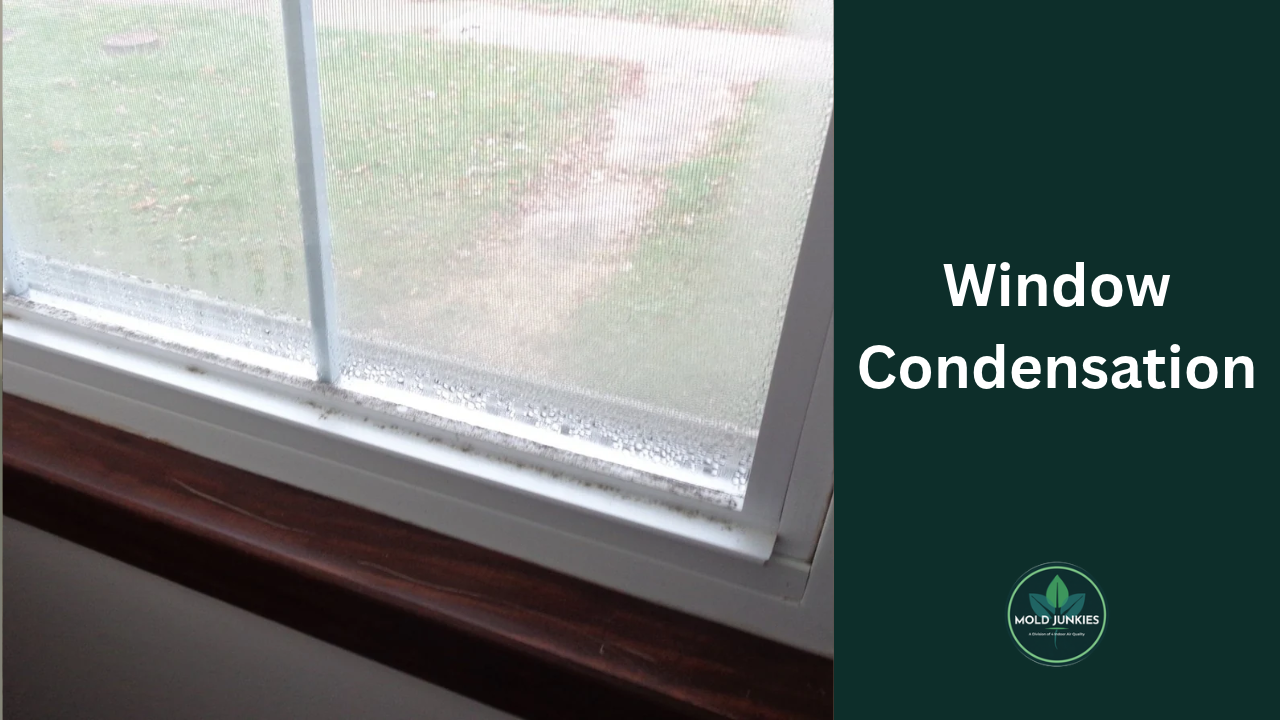
Condensation on windows is one of the few places where moisture conditions inside a home become directly visible. Most people notice it on cold mornings and think of it as a minor annoyance. What it actually represents is useful information about the relative humidity inside the home — and, by extension, the conditions that support or inhibit mold growth.
Why Condensation Forms on Windows
Condensation forms when warm, humid air contacts a surface that is below the dew point — the temperature at which air can no longer hold all of its moisture ...